
Where do I even begin? Microsoft’s stewardship of its increasingly vast gaming empire — which includes Xbox consoles, the Game Pass subscription service, and not one but three massive publishers — had another epic, infuriating, baffling year. The tech giant pursued a gaming strategy that continues to tear up industry norms while looking visionary from some angles and idiotic from others. Its acquisition spree finally started to bear fruit with an unprecedented number of new games at the same time as management instituted a destructive, profit-hungry cash grab that threatened to destroy fan goodwill for good. Amid all this furor, the future of Xbox consoles has never looked shakier. It is, and was, a lot.
This was the year Microsoft brought Forza and Gears of War to PlayStation — and finally broke the ultimate taboo and said it would soon do the same for Halo. This was the year it said its next Xbox would be a PC, and an expensive one. This was the year it released a $1,000 handheld it got another company to make. This was the year it closed a AAA studio that never released a game.
Two strategic imperatives loomed large behind all this chaos. The first is very much public, writ large in everything Microsoft is doing and its executives are saying, and although it can be unpopular, it is sincerely motivated. It’s the drive to make lots of games and put them anywhere they can be played: on the cloud, on Steam, on rival consoles, on your phone. This is an Xbox, even if it’s a PlayStation. Fans bristled, but the numbers didn’t lie: Forza Horizon 5 was a smash hit on PlayStation 5 this year, and a whole new community getting access to the best racing game around has got to be a net positive. Indiana Jones and the Great Circle and Gears of War: Reloaded followed hot on Forza’s heels.
The second strategic imperative, which intersects with the first (but isn’t necessarily the only motivator for it), is more secretive and nefarious. In October, Bloomberg revealed that Microsoft chief financial officer Amy Hood had insisted the gaming division hit profit margins of 30%, a figure that is all but unprecedented in the game industry, and all but unachievable.
This preposterous target is surely what was behind the waves of layoffs that culminated in the cancellation of Rare’s Everwild and the Perfect Dark reboot, which also spelled doom for the latter’s developer, The Initiative, a studio that was founded in 2018 and never got a chance to finish a game. It presumably motivated the (hastily revoked) decision to sell The Outer Worlds 2 for $80. It’s surely why Xbox Game Pass saw an eye-watering 50% price increase together with another confusing and arguably mean-spirited restructuring of its offering. It’s got to be one reason Xbox consoles saw two price increases in six months which have resulted in the top model of Xbox Series X hitting $800.
To be fair, there are other factors at work behind these dismaying developments, and only one of them is Microsoft’s historically wasteful mismanagement of its game developers. Another is the Trump administration’s tariff policy, and a third is the skyrocketing cost of silicon required to make the consoles — a result of the AI datacenter explosion (in which Microsoft is an enthusiastic participant). But that 30% margin target must have an outsize influence. Let’s be clear: A healthy creative industry can and should be run to make money as well as great art. But bad targets lead to bad decisions and disastrous outcomes.
Under this relentless pressure to engage more players and make more money, Microsoft appears to have decided that it doesn’t want to achieve either of these goals by selling game consoles. The price hikes and the effective end of console exclusives demonstrate that Microsoft has abandoned all hope of rescuing Xbox Series S and X — both great machines, perhaps Microsoft’s best — from a distant and ignominious third place in the current-gen console race. This year, amid spiraling fears that it was about to exit the console business for good, Microsoft was forced to declare, more than once, that it would be back. But back with what?
In both leaks and in public comments from Xbox boss Sarah Bond, it has become apparent that the next Xbox will be Windows-based, will run rival game stores such as Steam, and will be a “very premium” (read: very pricey) device. It’s a gaming PC, in other words, perhaps even more of one than the upcoming Steam Machine. It could be a very powerful and flexible gaming system, but it doesn’t sound like it will be a mass-market product. Make no mistake, this is a retreat from direct competition with Sony and Nintendo.
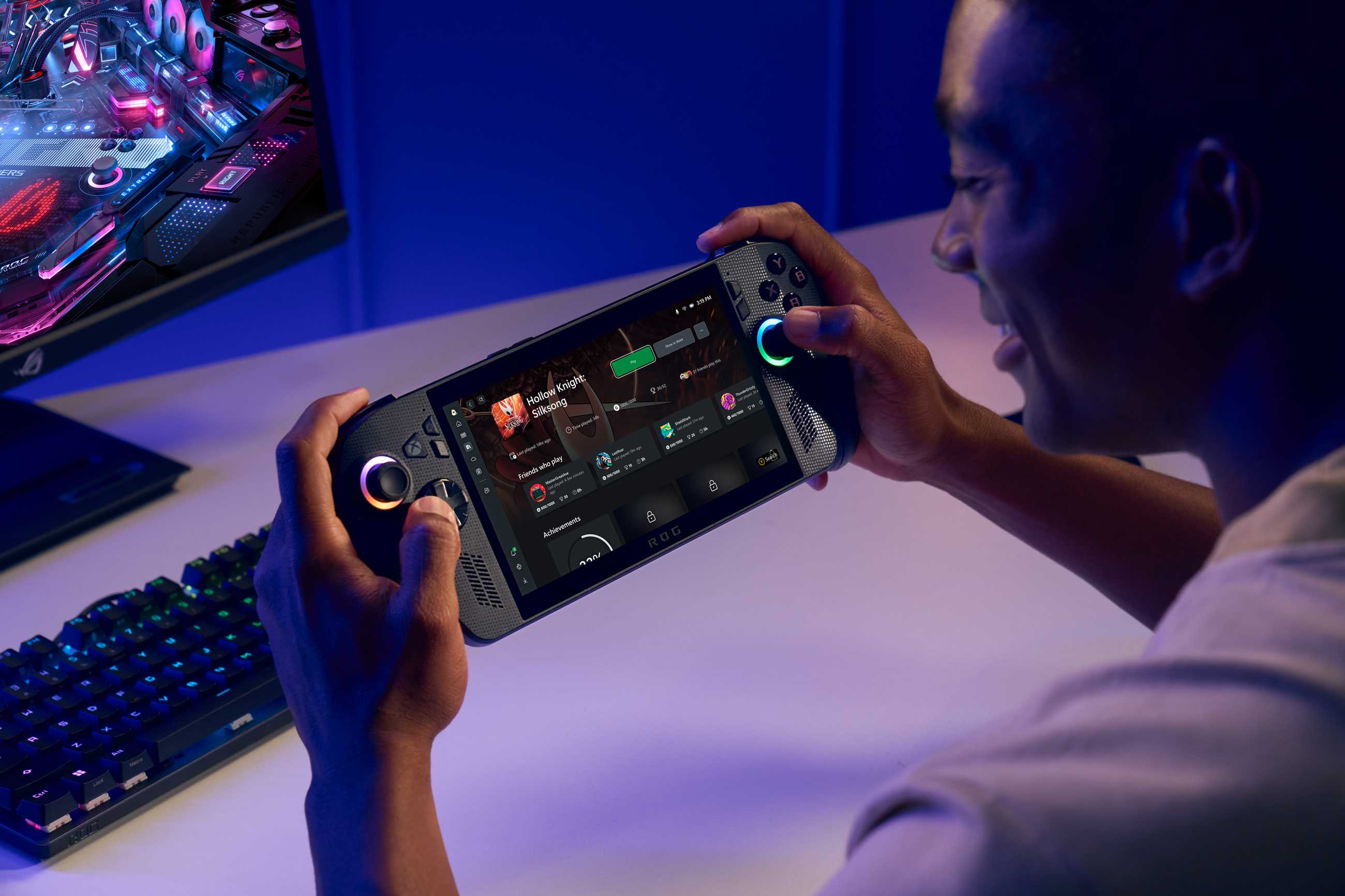
Another worry for Xbox fans is that it might not be very good. That was my unfortunate conclusion from using the ROG Xbox Ally, a joint initiative between Microsoft and PC handheld manufacturer Asus that acted as a kind of soft launch for Xbox’s Windows-based future. In either its $600 or its $1,000 version, the Xbox Ally is an overpriced, mediocre PC handheld which offers fabulous compatibility across your game libraries but is also sadly burdened with all the inelegance, unreliability, and painful lack of cool that comes with Windows. It’s no Steam Deck, in other words. Here’s hoping the version of this experience made by Xbox’s excellent in-house engineers will be better, because it really needs to be
It’s a shame that all this calamity and confusion obscures the fact that 2025 was Microsoft’s best year as a game publisher in quite a long time. There was no defining, massive title — not after 2025’s intended Xbox tentpole, the Fable reboot, was delayed into next year — but that was the point. The year showed the sheer range and capacity that Microsoft’s suite of studios is now capable of.
And it did so in a relatively quiet year for Microsoft’s biggest acquisitions. Blizzard had no new releases, Bethesda and Activision just had a couple each. But the expanded Xbox Game Studios group finally came into its own — especially Obsidian Entertainment, which released no less than three games. The full lineup is staggering: Avowed, Call of Duty: Black Ops 7, Doom: The Dark Ages, The Elder Scrolls 4: Oblivion Remastered, Gears of War: Reloaded, Grounded 2, Keeper, Ninja Gaiden 4, The Outer Worlds 2, South of Midnight, Tony Hawk’s Pro Slater 3 + 4, plus smaller releases like Towerborne and Xbox Retro Classics and expansions for The Elder Scrolls Online and Indiana Jones and the Great Circle.
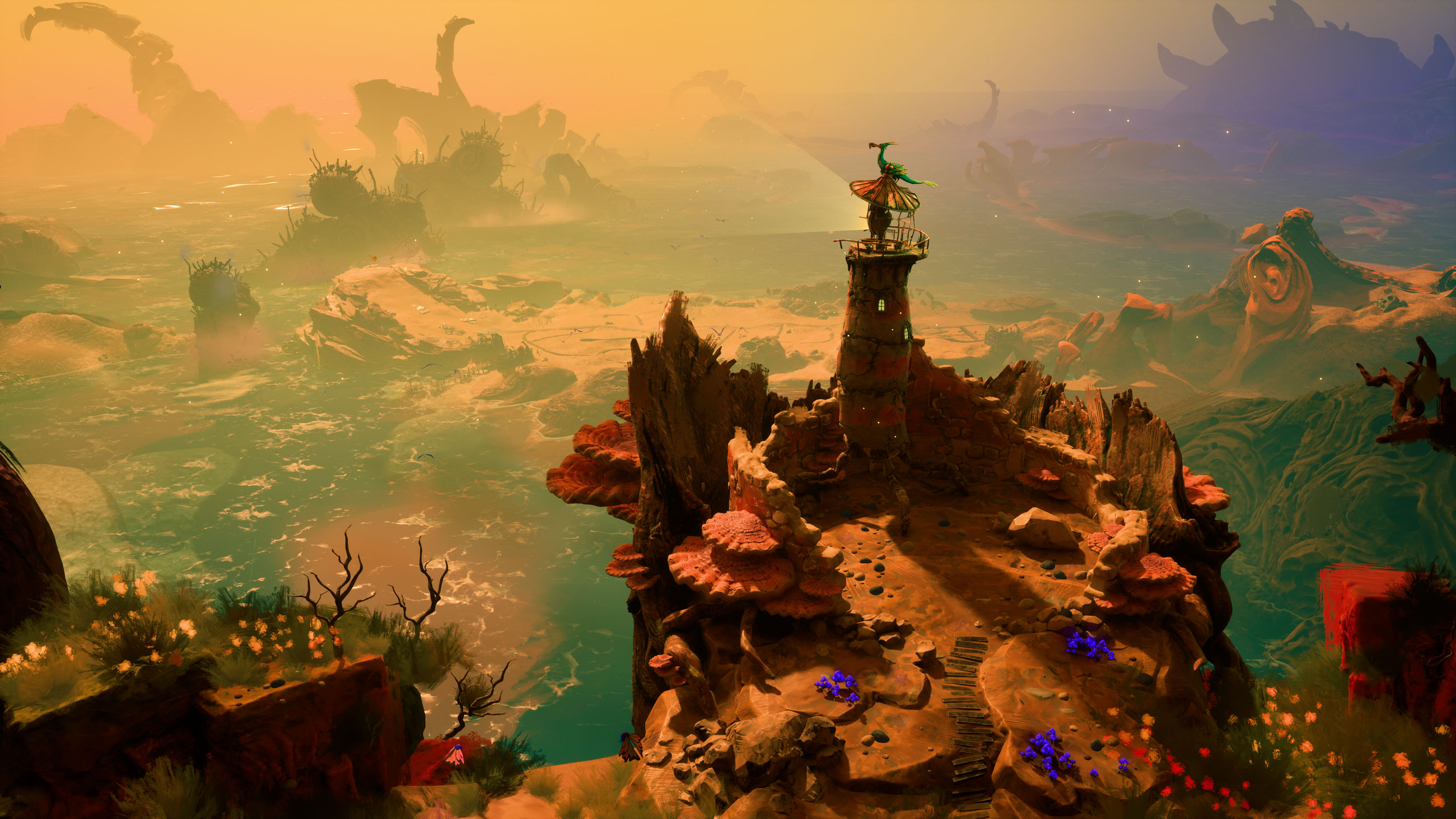
You can criticize this lineup for lacking any truly standout releases or you can celebrate it for its yearlong supply of varied, interesting, accomplished, and mostly very good games. Ninja Gaiden 4 is a hardcore action game par excellence and a sentimental nod to an old Xbox stalwart; Avowed is a characterful, engrossing role-playing game; Keeper and South of Midnight are artful expressions of storytelling style. There’s old-school craftsmanship and solid entertainment in spades here.
It’s also worth noting that Microsoft can claim some share of the glory accrued by critical darling and Game Awards juggernaut Clair Obscur: Expedition 33. The deal that landed the game on Game Pass on day one was presumably decisive in helping fund this ambitious project. It was certainly a feather in Game Pass’ cap, and Microsoft’s enthusiastic promotion of the game was the first shove in its snowballing success.
Unfortunately, there’s also a howling black sheep in this happy family. Call of Duty: Black Ops 7 is only just shy of being a disaster. Fans hate it, it’s been comprehensively outsold by a new Battlefield game for the first time in series history, and Activision has had to issue a kind of mea culpa. Microsoft spent almost $70 billion acquiring COD (and a lot of other things, but primarily COD), only for the series to go off the creative and commercial rails almost immediately. Classic Microsoft!
It’s exhausting just thinking about the year that Xbox and Microsoft just had. What will 2026 bring? A new Fable, a new Gears of War, a new Forza Horizon, a new era for Halo, probably many more games besides, and surely a lot more confusion and argument. It will be another big year, hopefully a more settled one. But I suspect we’ll be asking the same question at the end of it: Just where, exactly, does Xbox think it is going?